Best Transitional Housing for Families: 2025 Buyer’s Guide, Benefits, and Top Real-World Programs
Transitional housing for families is a temporary residential solution designed to support households experiencing homelessness, displacement, or financial hardship. These programs provide safe and stable living environments for families as they work toward long-term independence. Transitional housing typically offers more than just accommodation; it often includes case management, counseling, employment support, childcare assistance, and life-skills training.
In 2025, the demand for transitional housing continues to rise due to economic pressures, natural disasters, and housing shortages. Families need structured support systems that allow them to rebuild their lives without worrying about immediate housing instability. This guide explains how transitional housing works, what benefits it provides, and how families can choose the right program.
Key Features of Transitional Housing for Families
Transitional housing programs provide a structured environment tailored to family needs. Below are the most important features that determine program quality and impact.
Safe and Supportive Living Environment
Transitional housing must offer a safe space where families can recover from hardship. These facilities prioritize security, cleanliness, and community support. Many programs include private or semi-private units, monitored entry systems, and on-site staff.
A supportive environment is essential for families healing from trauma or instability. Children especially benefit from predictable routines and safe surroundings that allow them to continue their education and social development.
Access to Social Services and Case Management
Effective transitional housing provides access to comprehensive services. Case managers guide families through financial planning, employment placement, mental health resources, and childcare coordination.
These services help families develop long-term stability. With structured support, parents can secure employment, improve credit scores, and find permanent housing more efficiently.
Skill-Building and Education Support
Many programs offer workshops such as budgeting, parenting classes, job training, and educational tutoring. These services help families build skills that remain useful long after leaving the program.
Educational support ensures that children maintain academic progress despite unstable circumstances. This reduces long-term setbacks and increases future opportunities.
Top Real-World Transitional Housing Examples for Families in 2025
Below are five real-world transitional housing programs, complete with benefits, detailed explanations, and links for application.
Family Haven Transitional Shelter

Family Haven is a well-known transitional housing program that provides fully furnished family units, on-site case managers, and access to healthcare referrals. Each participating household stays for 6–24 months, depending on progress and needs.
Units include private bedrooms, shared kitchens, and child-friendly communal spaces. Family Haven focuses heavily on trauma-informed care, helping parents and children rebuild emotional stability.
Benefits:
The program supports families with emotional recovery, financial management, and long-term housing placement. Trauma-informed staff help reduce stress and promote healthier family dynamics.
Use Case:
Family Haven is ideal for families recovering from domestic violence or sudden displacement. It offers a safe place where parents can focus on employment and financial planning while children receive stability and counseling.
Apply Now:
Apply for Family Haven
SafeSteps Transitional Housing
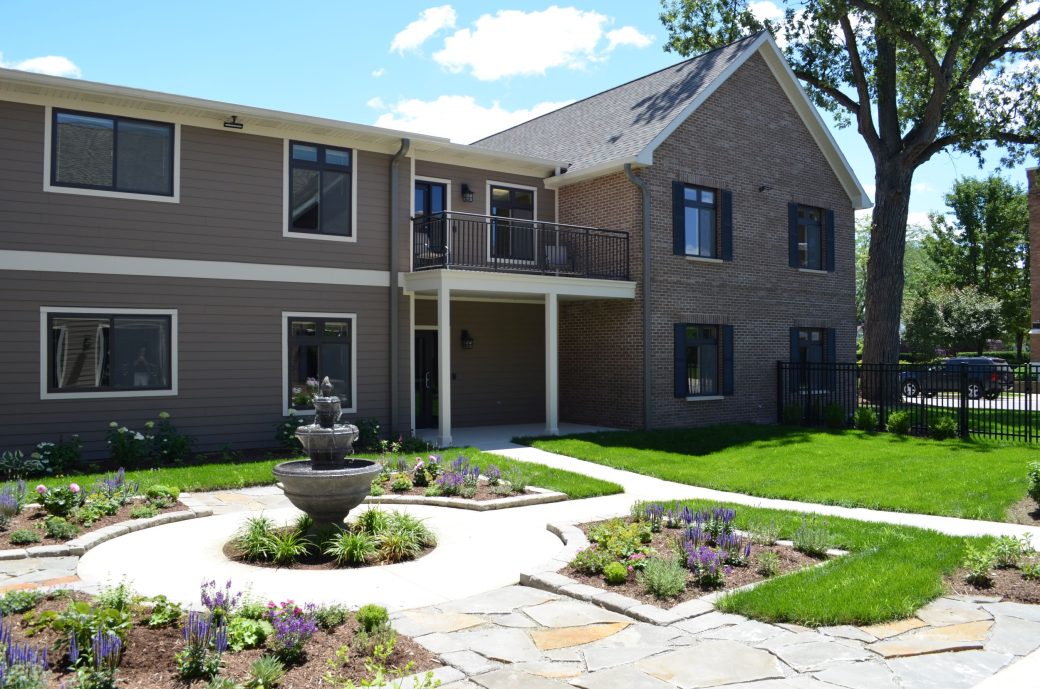
SafeSteps provides a structured 12–18-month program designed for families transitioning from emergency shelters. Each unit includes private bathrooms, dedicated storage, and access to community activities.
SafeSteps is known for its digital case-management system, allowing families to track goals, appointments, and progress directly from their smartphones.
Benefits:
The digital system makes it easier for families to stay organized and connected with support staff. It increases engagement and improves program success rates.
Use Case:
Ideal for families balancing multiple responsibilities who benefit from reminders, scheduling tools, and digital communication. Parents can manage work, childcare, and program tasks more efficiently.
Apply Now:
Apply for SafeSteps
HopeBridge Family Transition Center

HopeBridge offers semi-private apartments, childcare programs, and on-site employment offices that help parents find job opportunities. The center also partners with local schools to ensure smooth student enrollment.
Families participate in weekly workshops that focus on budgeting, career advancement, and emotional wellness.
Benefits:
HopeBridge’s integrated childcare and employment support reduces the barriers that often delay family progress. Parents can attend training sessions while children are cared for on-site.
Use Case:
This program is ideal for single parents seeking career improvement. It helps solve the common problem of balancing employment and childcare during hardship.
Apply Now:
Apply for HopeBridge
Unity Pathways Transitional Housing Program

Unity Pathways focuses on families affected by natural disasters and housing displacement. It provides furnished units, counseling services, and financial repair programs such as credit rebuilding.
The program also includes transportation assistance, helping families reach work, schools, and appointments without added cost.
Benefits:
Transportation support reduces financial burden and improves access to essential services. Credit rebuilding programs help families qualify for permanent housing faster.
Use Case:
Perfect for families starting from zero after losing homes or possessions. The combination of financial and emotional support accelerates long-term independence.
Apply Now:
Apply for Unity Pathways
MapleRise Transitional Family Housing
MapleRise offers long-term transitional housing with units designed for large families. It includes outdoor play areas, therapy rooms, and partnerships with mental health professionals.
The program uses advanced family-tracking tools to monitor progress, ensuring personalized support for each household.
Benefits:
Mental health integration helps families recover from trauma while improving emotional resilience. Larger units provide comfort for families with multiple children.
Use Case:
Ideal for families dealing with long-term instability or emotional trauma. The therapeutic environment helps them rebuild confidence and stability.
Apply Now:
Apply for MapleRise
How to Choose the Right Transitional Housing Program
Selecting the right program requires evaluating each family’s needs, goals, and challenges. Consider factors such as length of stay, provided services, location, and case-management quality.
Visiting facilities, speaking with program directors, and reviewing success rates can also help families make informed decisions.
Where to Apply for Transitional Housing
Families can apply through non-profit organizations, local government agencies, or online housing portals. Always confirm eligibility requirements, service scope, and program availability.
Use the application links above to access official forms and additional information.
FAQ
1. How long can families stay in transitional housing?
Most programs allow stays between 6 months and 24 months, depending on progress and individual family needs.
2. What services are included in transitional housing?
Typical services include counseling, job placement, financial planning, childcare, and educational support.
3. Who qualifies for transitional housing?
Eligibility varies, but most programs assist families experiencing homelessness, displacement, domestic violence, or financial hardship.