Small Family Home: Complete 2025 Price Guide, Benefits, Real Examples & Buying Tips
A small family home is one of the most in-demand residential types in today’s property market. Many families are shifting to compact, efficient homes due to rising housing costs, simpler lifestyles, and the desire for low-maintenance living. Although smaller in size, these homes offer complete functionality, comfort, and smart design solutions tailored for modern families.
Why Small Family Homes Are Increasingly Popular
Demand for small family homes continues to grow. These homes provide excellent affordability, easier upkeep, and energy efficiency. They are ideal for young couples, small families, retirees, or anyone seeking a manageable living space without sacrificing comfort.
Cost Efficiency and Lower Maintenance
Smaller homes cost significantly less to build, purchase, and maintain. Families spend less on utilities, maintenance, and furniture. This allows better long-term financial planning, making the small family home an excellent choice for budget-conscious buyers.
Sustainable and Efficient Living
Small family homes often incorporate energy-saving technologies such as insulated walls, LED lighting, and solar options. The reduced square footage naturally minimizes energy consumption, which lowers monthly expenses and supports sustainable living.
Factors Affecting the Price of a Small Family Home
Understanding cost influencers is crucial when evaluating small family homes. Prices vary widely depending on location, materials, interior design, and whether the home is prefabricated or traditionally built.
Location and Land Size
Even a small home can be expensive in high-demand cities. Land price typically contributes significantly to overall property cost. Rural or suburban regions offer more affordable options, making them popular for small family home buyers.
Construction Type and Materials Used
Traditional builds cost more but offer customization. Prefabricated homes, modular homes, and compact-designed homes are usually more affordable and faster to build, making them ideal for families seeking a quick move-in option.
Real-World Example Small Family Homes
Below are five real-world small family home models, complete with detailed explanations, benefits, and use cases.
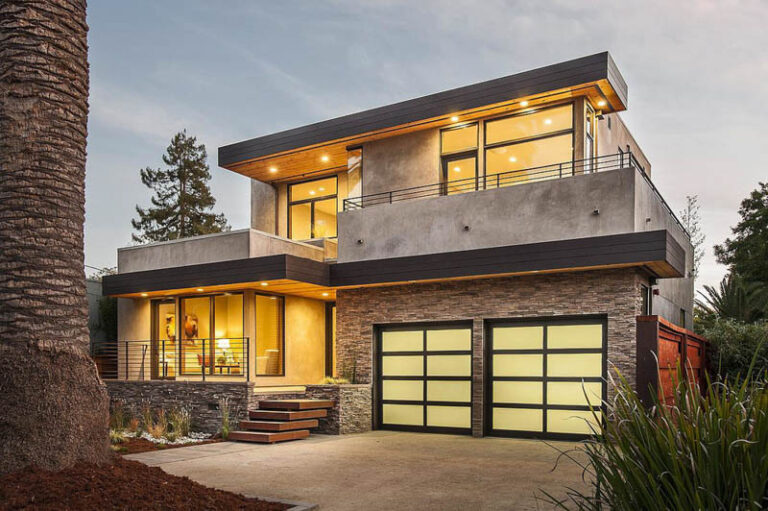
Compact Modern Small Family Home
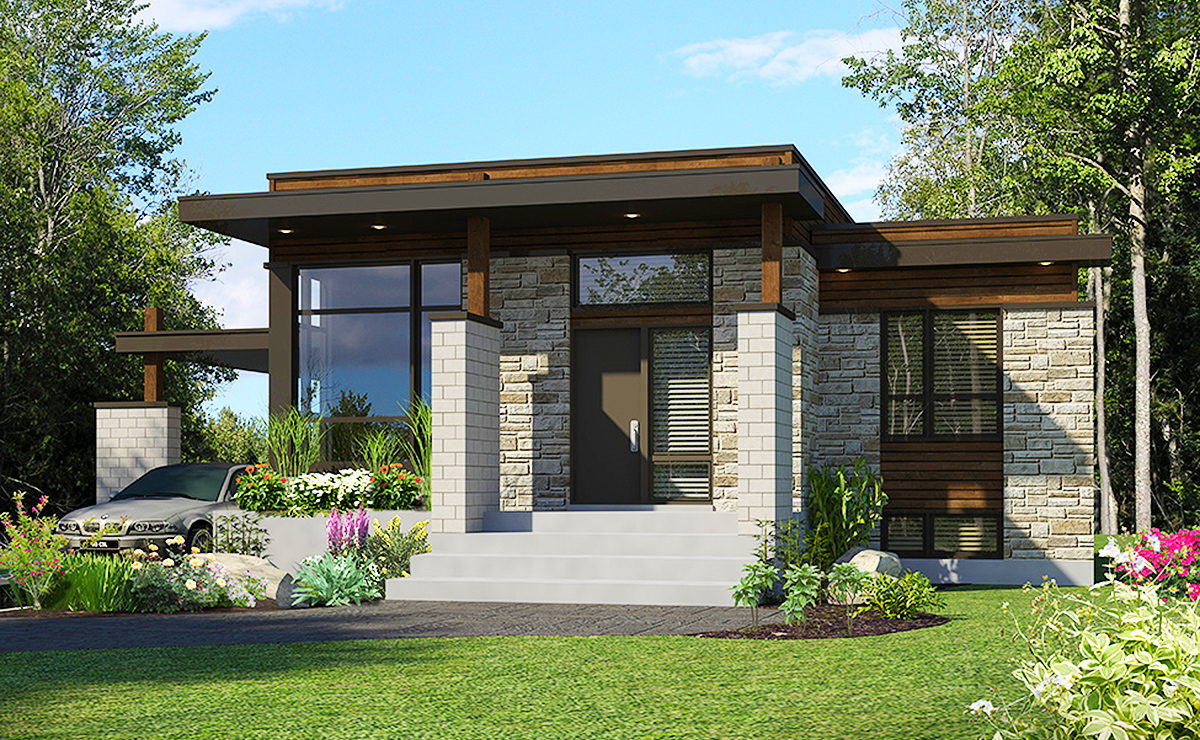
This modern compact home features two bedrooms, a functional kitchen, and an open living area. It typically ranges between 700–1,000 sq ft and fits well in suburban neighborhoods. Its design focuses on maximizing airflow and natural lighting.
These homes are priced between $180,000–$320,000, depending on the region and finishing quality. Despite its smaller size, modern design elements ensure comfort and livability.
Benefits: Efficient layout, lower construction cost, energy savings, and easy interior arrangement.
Prefabricated Small Family Home
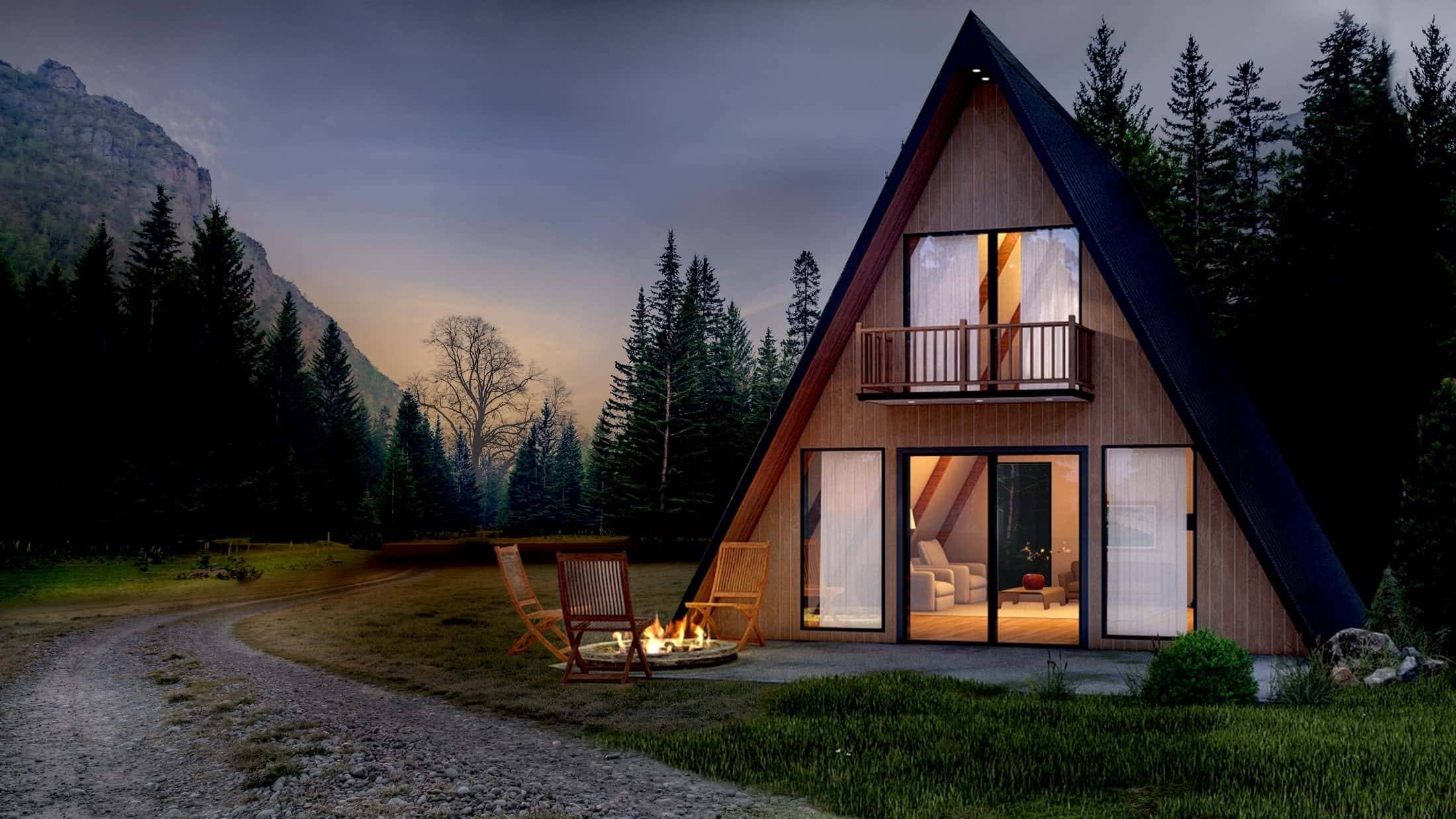
Prefabricated homes are built in factories and assembled on-site. They offer affordability and excellent build precision. Many prefab models are customizable with various floor plan options.
Pricing typically ranges from $90,000 to $250,000, depending on size and features. This makes them a top choice for first-time buyers.
Benefits: Fast construction, eco-friendly materials, reduced waste, and high durability.
Small Modular Home
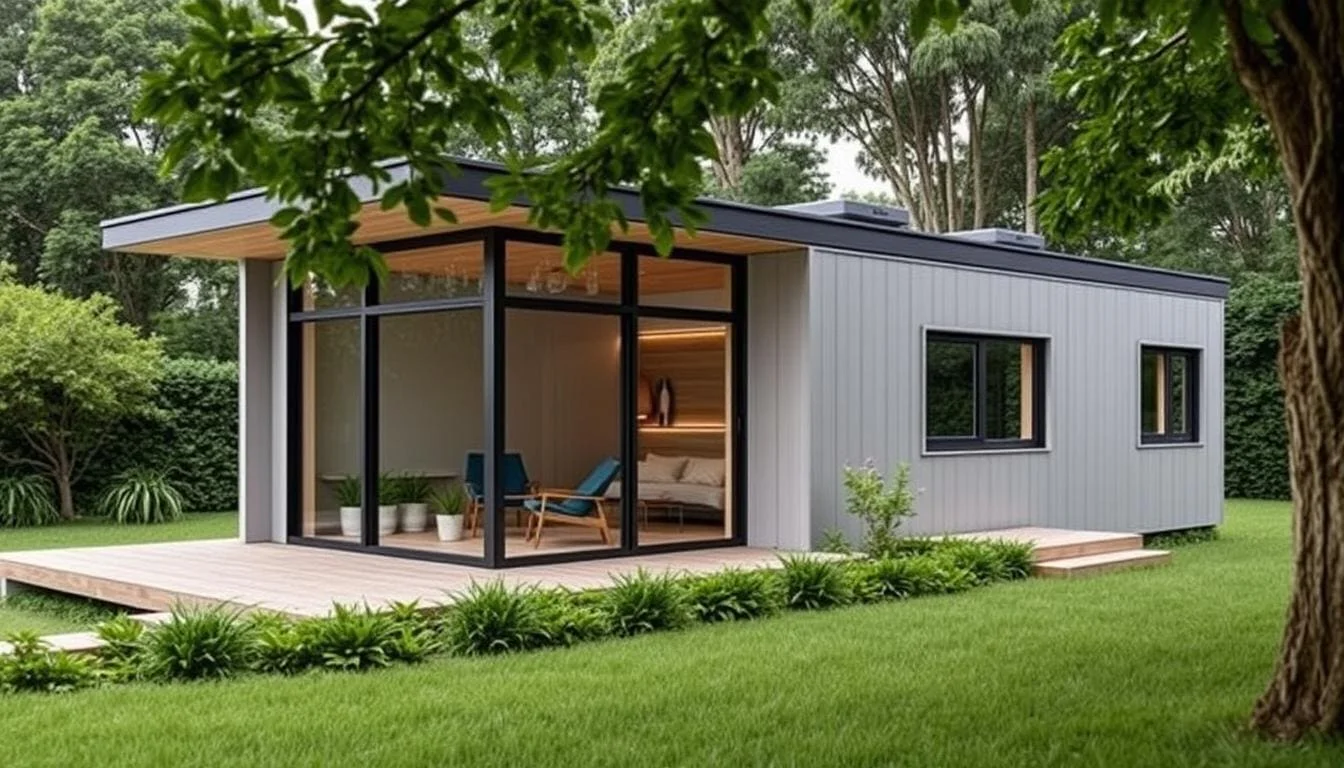
Modular homes are designed in sections that are assembled at the building site. They feature clean, modern architecture and versatile floor plans.
Most modular small family homes range from $120,000–$300,000. They provide excellent insulation and structural strength.
Benefits: Quick installation, high structural integrity, flexible design, excellent for small families.
Tiny House for Small Families
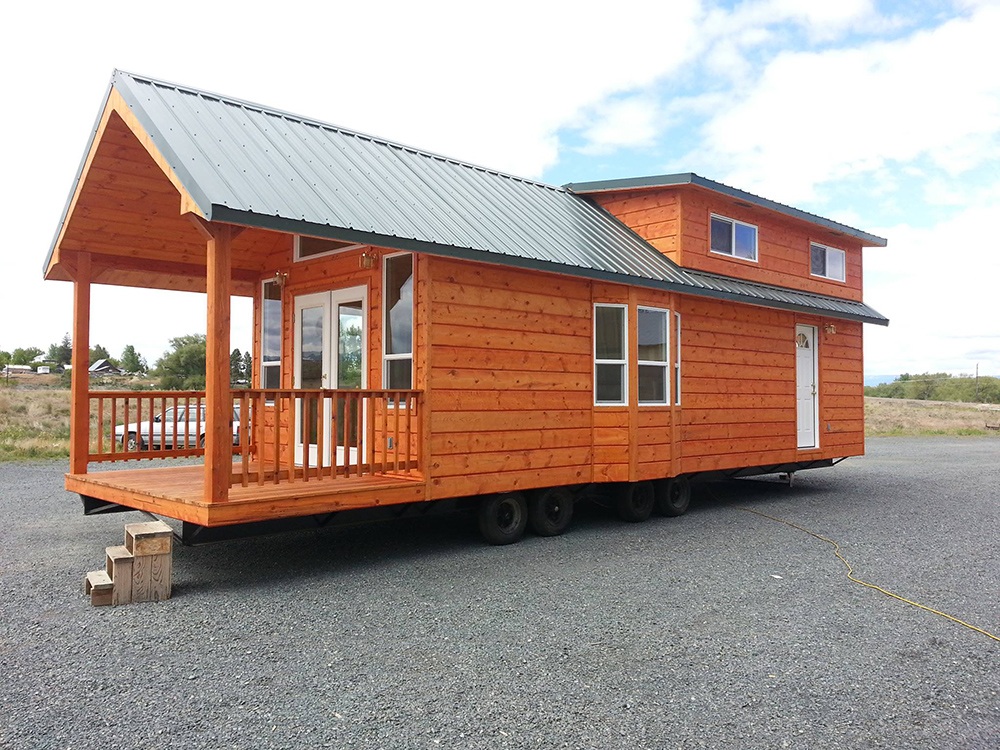
Tiny houses range between 300–600 sq ft and are popular among minimalist families. They feature multi-function furniture and smart layouts.
Costs range from $60,000–$150,000, depending on materials and mobility features.
Benefits: Minimal maintenance, mobility options, extremely low utility bills.
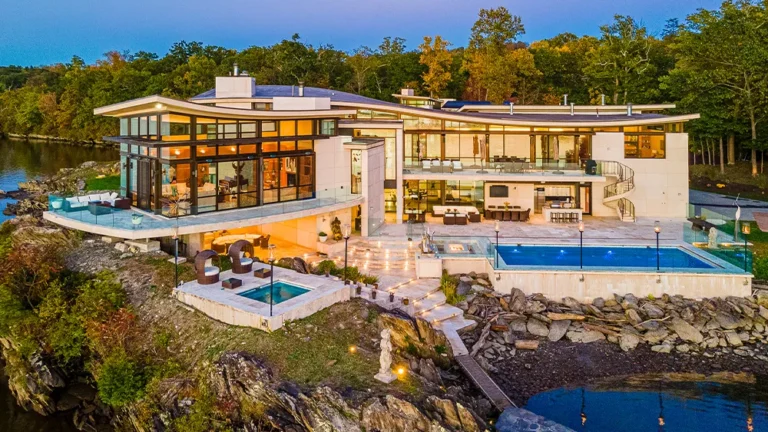
Small Luxury Family Home
These homes combine compact design with high-end finishes. Typically around 900–1,200 sq ft, they include premium kitchens, smart-home technology, and landscaped outdoor areas.
Prices start at $350,000 and can reach $800,000 depending on location and customization.
Benefits: Premium lifestyle, top-tier materials, excellent resale value.
Benefits of Choosing a Small Family Home
Choosing a small family home offers practical and long-term advantages.
Financial Benefits
Small homes cost less to buy or build, reducing mortgage burden. Utility bills, property taxes, and maintenance fees are significantly lower, making them financially sustainable.
Lifestyle and Comfort
Small families enjoy cozy environments that feel more connected. Compact layouts encourage better use of space and reduce clutter.
Use Cases: Problems Small Family Homes Solve
Small family homes address a number of common challenges.
Solving High Housing Costs
In many regions, housing prices are rising. Small family homes provide budget-friendly alternatives that still deliver comfort.
Solving Space Management Issues
With efficient layouts, small homes avoid wasted space. Multi-purpose areas improve daily living and support family bonding.
How to Buy a Small Family Home
Below are recommended platforms to search and purchase small family homes.
Recommended Buying Platforms
- Zillow – Browse listings in all regions
- Clayton Homes – Prefab and modular options
- Realtor.com – Connect with real estate agents
FAQs
1. What is the average size of a small family home?
Typically 600–1,200 sq ftt depending on layout and design.
2. Are small family homes cheaper to maintain?
Yes. They have lower utility bills, fewer repair needs, and reduced property taxes.
3. Can a small family home fit a family of four?
Yes. Many compact layouts efficiently accommodate small families with two or three bedrooms.