Rural Lifestyle Property for Sale – Complete 2025 Buyer’s Guide, Best Products, Benefits & Where to Buy
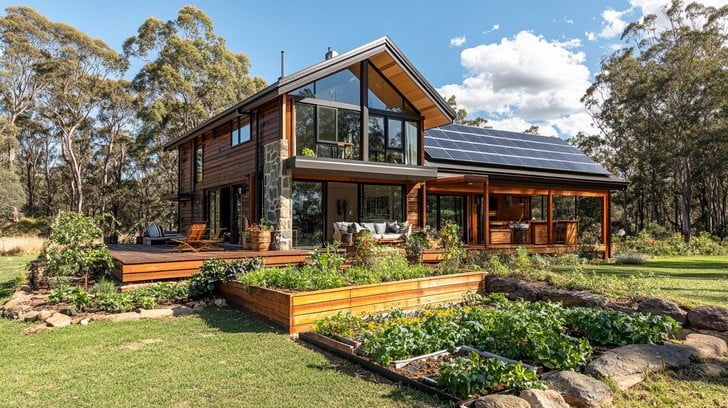
Rural lifestyle property for sale has become one of the fastest‑growing real estate categories in recent years. With increasing demand for cleaner environments, privacy, space for hobbies, and the rise of remote work, more buyers are shifting their focus toward rural living. Investing in a rural lifestyle property offers not only a change of scenery but also the opportunity to build a self‑sufficient and sustainable way of life. This guide provides an in‑depth look at the benefits of rural lifestyle properties, important buying considerations, and real‑world supporting products that help maximize property value and functionality.
What Is a Rural Lifestyle Property?
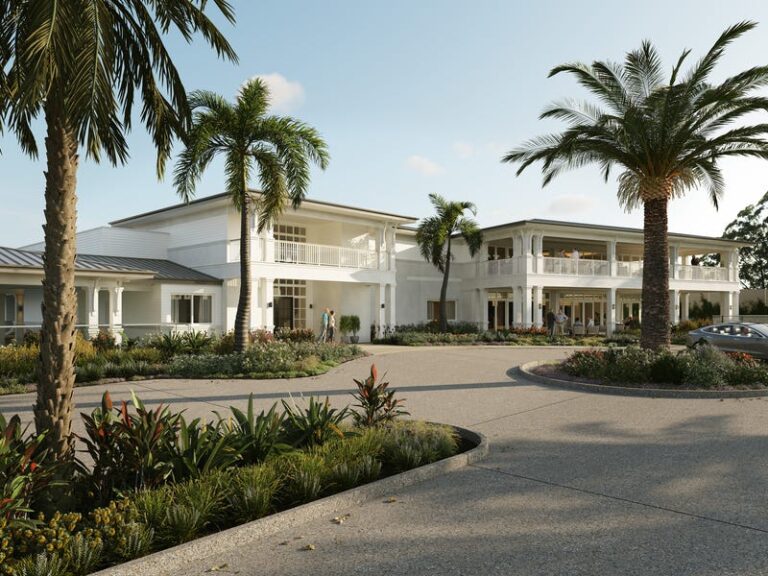
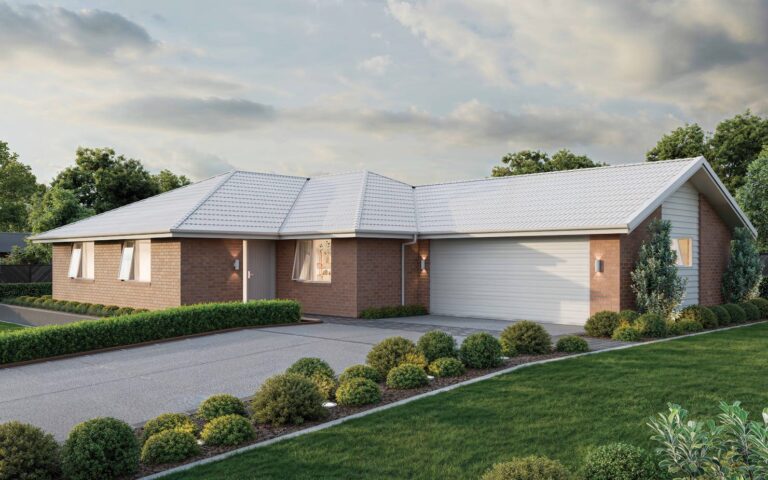
Rural lifestyle properties refer to small to mid-sized acreage estates designed for residential living, combined with land use flexibility. These properties provide enough space for gardens, workshops, barns, livestock, recreational activities, and home‑based businesses. Unlike full commercial farms, rural lifestyle properties allow owners to enjoy the countryside without the operational obligations of high‑scale agriculture.
Why Rural Lifestyle Property Is Increasing in Demand
Modern families and professionals are looking for room to breathe literally and figuratively. With rising urban congestion and digital transformation enabling remote work, rural property ownership offers an appealing balance of comfort, affordability, and long‑term growth potential. Buyers gain access to larger land parcels at significantly lower prices compared to metropolitan real estate.
Key Benefits of Owning a Rural Lifestyle Property
Living on a rural lifestyle property provides countless advantages depending on your goals, lifestyle preferences, and family needs. Some of the most notable benefits include cleaner air, expansive natural surroundings, room for hobbies, reduced noise, and the ability to create a fully customized outdoor environment. Many property owners also experience improved mental well‑being due to nature exposure and slower-paced rural living.
Supporting Products That Enhance Rural Lifestyle Property
Below are five real‑world products commonly used by rural property owners to improve functionality, support daily activities, increase safety, and enhance property value. Each section includes detailed information, benefits, use cases, and buying links.
All‑Weather Steel Storage Barn
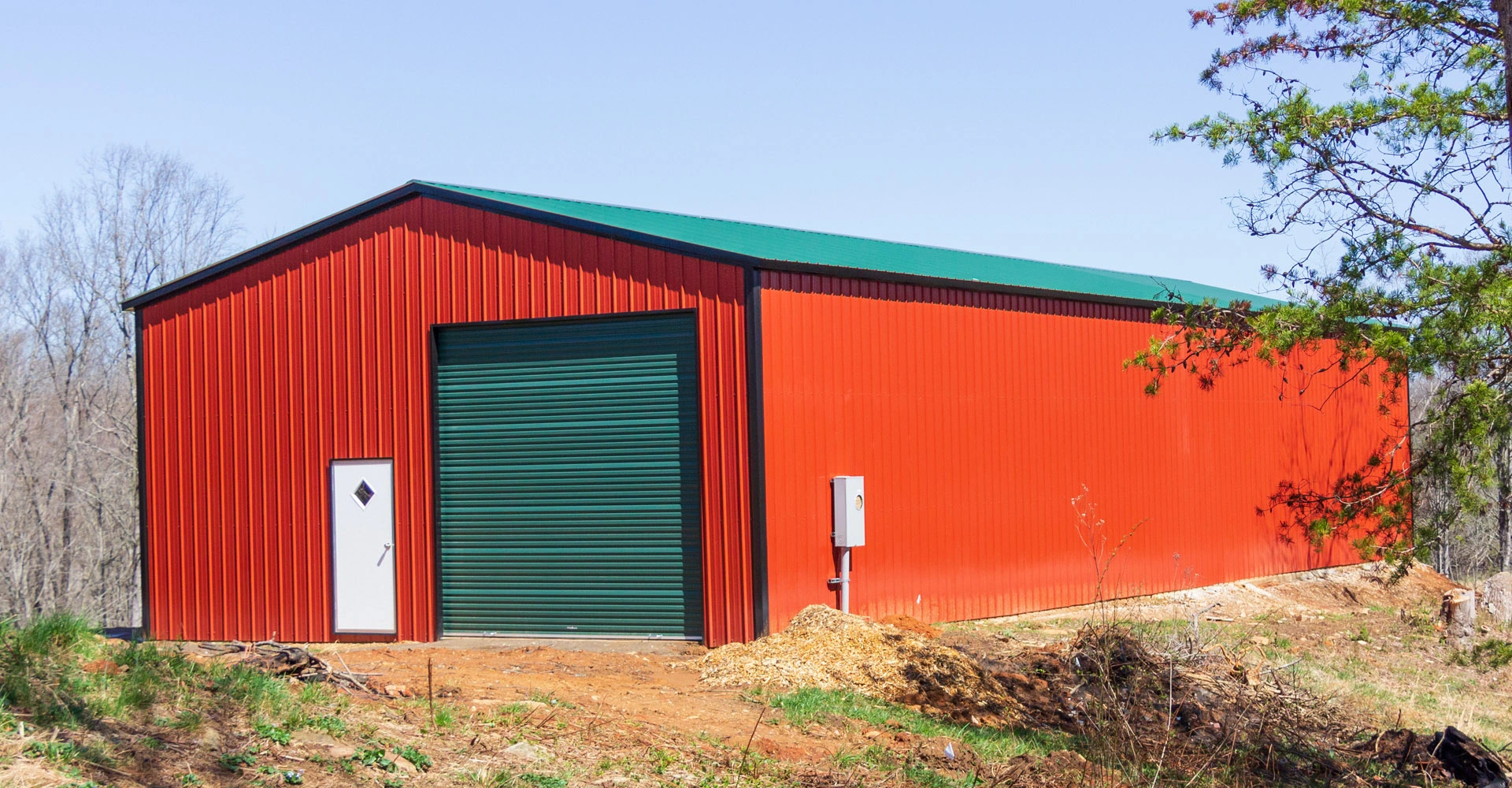
The All‑Weather Steel Storage Barn is one of the most essential additions to any rural lifestyle property. Constructed with galvanized steel framing, reinforced roofing, and insulated interiors, this type of barn is perfect for storing agricultural equipment, livestock feed, construction materials, and outdoor machinery. Its large open floor design also makes it an excellent multipurpose space for workshops, small‑scale farming, or vehicle storage.
This barn is engineered to withstand extreme weather, including heavy rains, strong winds, and even snow. Compared to wooden barns, steel barns require less maintenance and offer longer durability, making them a cost‑efficient investment for property owners.
Benefits
A steel storage barn protects valuable assets from weather damage, theft, and premature wear. Its secure structure ensures that tractors, tools, and machinery remain in top condition throughout the year.
Use Case
Property owners struggling with clutter, lack of organization, or equipment deterioration benefit significantly from installing a durable barn. It solves problems such as moisture damage, exposure to harsh temperatures, and limited storage space.
Where to Buy
Off‑Grid Solar Energy System

An Off‑Grid Solar Energy System is essential for rural lifestyle property owners who want consistent electricity without depending on unreliable or distant grid networks. These systems include photovoltaic panels, lithium battery storage, charge controllers, and inverters to supply electricity for lighting, heating, water pumps, and home appliances.
Modern off‑grid solar kits are engineered for remote areas, offering high-efficiency energy conversion, long battery life, and robust construction for outdoor environments.
Benefits
Solar systems reduce energy bills, promote sustainability, and provide autonomy from traditional utility companies. They also help solve rural challenges like weak electrical infrastructure, voltage drops, or frequent power outages.
Use Case
This product is ideal for properties located far from the city, where electrical connections may be unstable or expensive. It ensures homeowners have a reliable power supply at all times.
Where to Buy
High‑Capacity Rainwater Harvesting System

A High‑Capacity Rainwater Harvesting System is vital for rural lifestyle properties, especially those in areas with limited water infrastructure. These tanks collect and store rainwater from rooftops, which can then be used for irrigation, livestock hydration, cleaning, and even household filtration systems.
Rainwater tanks are available in durable materials such as polyethylene, steel, and concrete, each designed for long-term outdoor exposure.
Benefits
The system reduces water bills, supports sustainable land management, and ensures a stable water supply during dry seasons. It helps protect crops and gardens from drought-related issues.
Use Case
Property owners who rely heavily on water for gardening, orchards, animals, or agricultural projects find these tanks extremely beneficial. It eliminates the problem of inconsistent municipal water availability.
Where to Buy
Compact Utility Tractor
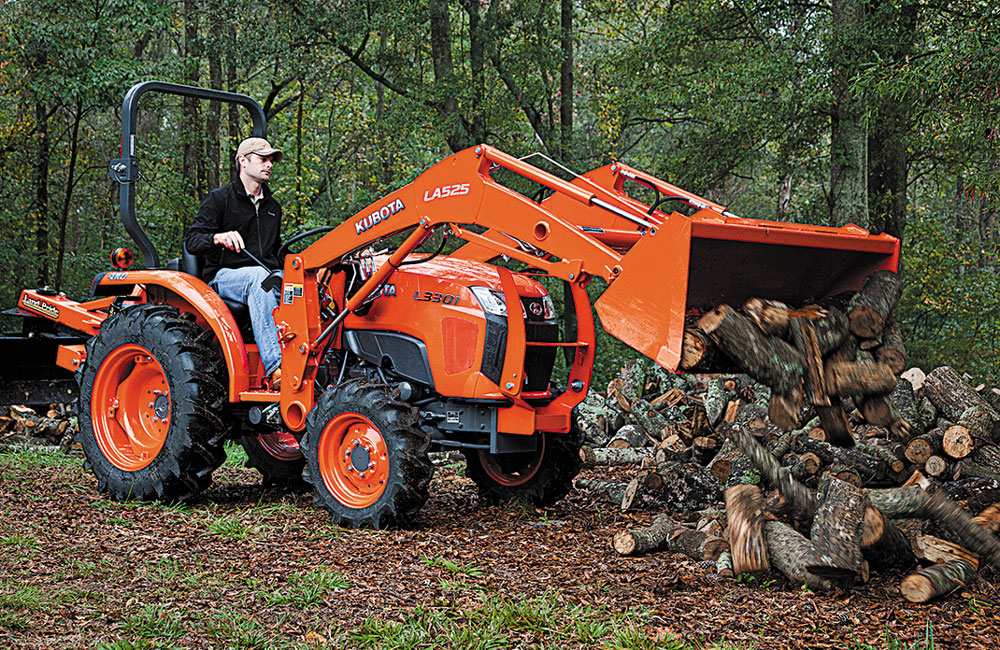
A Compact Utility Tractor is one of the most versatile machines for rural lifestyle properties. These tractors come with attachments for plowing, hauling, mowing, tilling, digging, and land grading. Built with powerful diesel engines and hydraulic systems, they are capable of handling heavy workloads efficiently.
This equipment allows owners to maintain large acreage without relying on external contractors.
Benefits
Compact tractors save time, labor, and long‑term maintenance costs. They enable landowners to manage property upkeep, seasonal planting, material transport, and construction tasks with ease.
Use Case
The tractor solves problems like overgrown land, soil preparation difficulties, and physical strain from manual labor. It is especially useful for owners managing 2–50 acres.
Where to Buy
Smart Outdoor Security Camera System
A Smart Outdoor Security Camera System ensures safety and surveillance across large rural properties. These systems often include night vision, motion sensors, long‑range Wi‑Fi connectivity, and cloud recording.
They are designed for barns, gates, sheds, and residential buildings, helping property owners monitor their surroundings even from remote locations.
Benefits
Security cameras help prevent theft, monitor wildlife intrusion, and alert owners to unexpected activity. Rural properties especially benefit from advanced surveillance due to limited police response times.
Use Case
Ideal for owners with valuable machinery, livestock, or isolated homes. It solves the challenge of maintaining security across large open spaces.
Where to Buy
How to Buy Rural Lifestyle Property
Purchasing rural lifestyle property requires careful evaluation. Buyers must consider land zoning, soil fertility, access to utilities, property boundaries, road access, and flood zones. Conducting a physical inspection and reviewing legal documents is essential.
Working with a specialized rural real estate agent helps buyers navigate water rights, easements, livestock regulations, and environmental restrictions.
Where to Buy Rural Lifestyle Property (Button)
Frequently Asked Questions
1. What is the ideal size for a rural lifestyle property?
A typical rural lifestyle property ranges from 1 to 50 acres, depending on your lifestyle goals, land use plans, and maintenance capacity.
2. Is buying rural property a good investment?
Yes. Demand continues to increase due to remote work and lifestyle preferences. Rural land also appreciates over time.
3. What should I check before purchasing rural property?
Check zoning regulations, soil quality, access to water, utility availability, road access, and boundary maps. Always conduct an on-site inspection.