Best Housing for Homeless Women: 2025 Supportive Housing Guide, Benefits, and Real Programs
Understanding housing for homeless women is essential as the number of women facing homelessness continues to rise. Many women experience homelessness due to domestic violence, job loss, health challenges, or displacement. Safe housing is more than a shelter; it is a pathway to stability, recovery, independence, and long-term well-being.
Proper housing programs for homeless women provide security, trauma-informed care, mental health support, and access to education or employment opportunities. This guide explores essential features, benefits, real-world program examples, and how women can access these housing services.
Understanding Housing for Homeless Women
Safe housing for homeless women focuses on stability, protection, and support. These housing programs are designed to address the unique challenges that women face, including domestic violence, mental health issues, or raising children without a stable shelter.
Transitional and supportive housing programs help women regain independence by offering case management, job resources, child care, and safe living environments.
Core Purpose of Women’s Housing Programs
Housing programs for homeless women operate with the mission to break cycles of poverty and instability. Unlike general shelters, women-focused programs prioritize trauma-informed care due to high rates of gender-based violence.
These programs emphasize emotional safety, long-term recovery, and skill-building, ensuring that women can regain control of their lives.
Key Features Women Need in Housing Programs
Effective housing for homeless women includes private, secure rooms, supportive staff, and access to healthcare. Many programs offer counseling, life-skills workshops, and job placement assistance.
These features ensure women receive not only shelter but the tools they need to rebuild their futures.
Top 5 Real-World Housing Programs for Homeless Women (2025)
Below are five real-world examples of housing programs that provide safe living environments and essential resources for homeless women.
Women’s Transitional Living Center (WTLC)

The Women’s Transitional Living Center provides a safe residence for women escaping domestic violence and homelessness. The program offers private rooms, security systems, trauma-informed staff, and on-site counseling services.
The center also provides job training, financial literacy classes, and legal support to help women regain independence.
Benefits:
WTLC ensures long-term safety with 24/7 monitoring and emotional support. Women benefit from personal recovery programs tailored to their needs.
Use Case:
Ideal for women fleeing abusive relationships who require secure housing and comprehensive recovery plans.
Access Now:
Visit the WTLC Program
The Lotus House Women’s Shelter
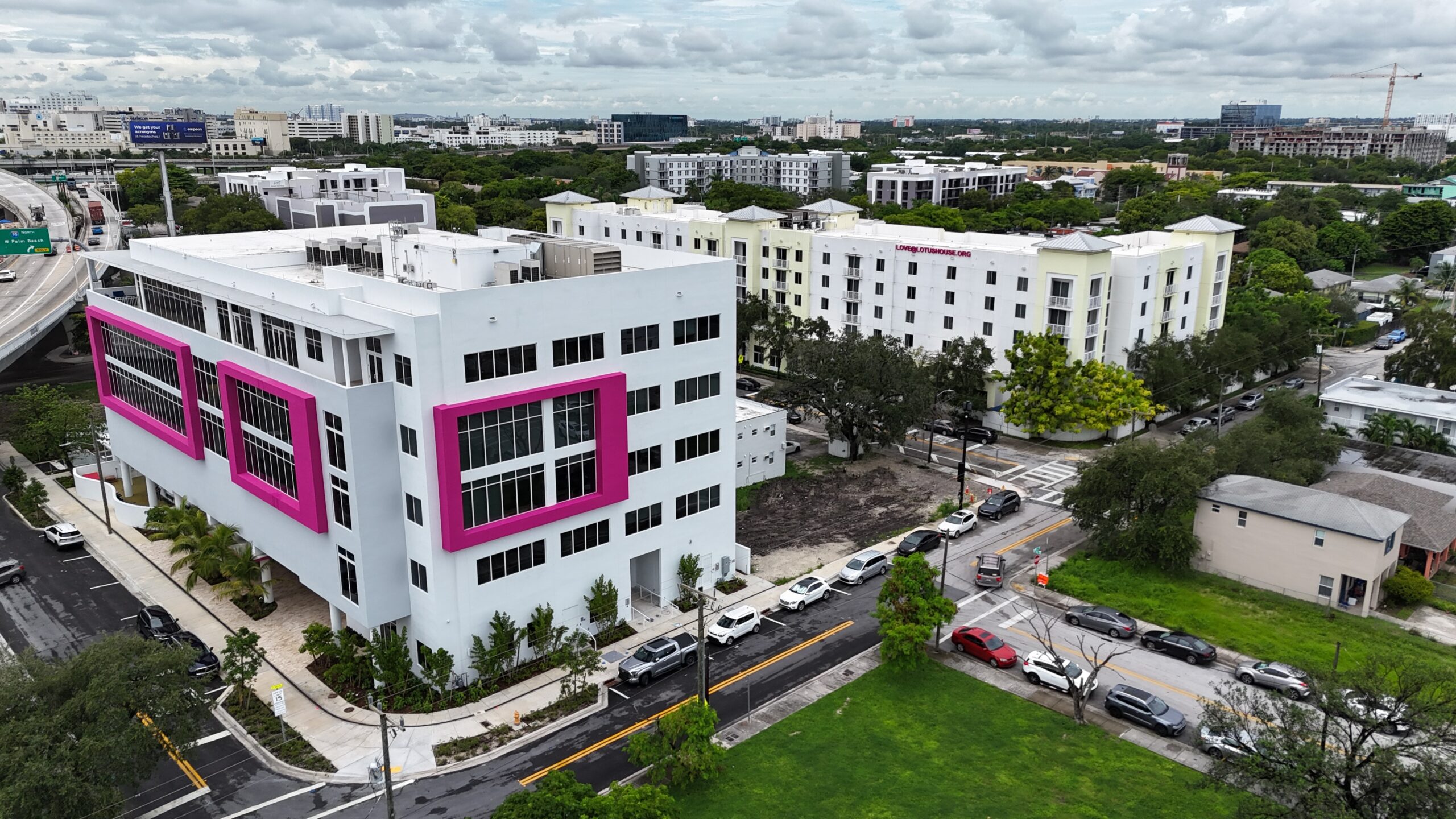
Lotus House is one of the largest women-focused shelters in the U.S., offering transitional housing, health services, child care, and mental health programs. Women stay in a safe, organized environment designed to promote healing.
The shelter includes educational programs, job support, and housing placement services for long-term stability.
Benefits:
Women gain access to therapy, skill development, and a structured environment that reduces trauma and promotes emotional recovery.
Use Case:
Perfect for women with children who need supportive shelter with school access and comprehensive case management.
Access Now:
Visit Lotus House
Providence Supportive Housing for Women
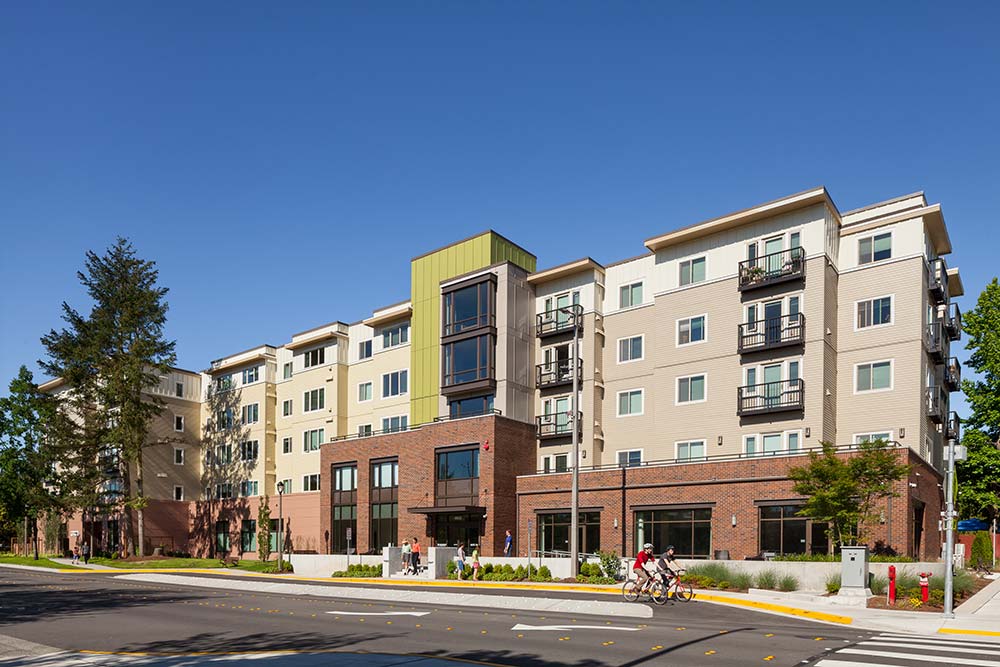
Providence Supportive Housing offers permanent supportive living for homeless women facing long-term health challenges. It focuses on stability through private rooms, medical assistance, and on-site nursing.
Residents receive ongoing mental health care, wellness programs, and financial assistance resources.
Benefits:
Provides a stable environment for women with disabilities or chronic illnesses who need long-term care.
Use Case:
Great for women who cannot access traditional shelters due to medical conditions or mobility issues.
Access Now:
Visit Providence Housing
Safe Haven Women’s Village

Safe Haven offers micro-housing units designed specifically for homeless women needing a secure place to rebuild their lives. Each unit provides privacy, basic amenities, and access to communal support services.
Women benefit from community activities, employment help, and life-skills training.
Benefits:
Micro-units offer security and independence without overwhelming responsibilities.
Use Case:
Excellent for women transitioning from street homelessness who need a structured, quiet environment.
Access Now:
Visit Safe Haven
Hope Harbor Family & Women’s Housing
Hope Harbor provides housing specifically for homeless women and single mothers. The program offers affordable long-term living, child care, financial guidance, and educational support.
The environment is family-friendly, safe, and structured for long-term growth.
Benefits:
Women receive support for employment, parenting, and mental health—enabling stable futures for themselves and their children.
Use Case:
Perfect for mothers needing housing that accommodates children and offers supportive family programs.
Access Now:
Visit Hope Harbor
Why Housing Programs for Homeless Women Are Essential
Housing programs provide safety from violence, improve mental health, and help women transition from crisis to independence. Stable housing lowers risks of exploitation and enables healing.
These programs are proven to reduce homelessness rates and create long-term opportunities.
How Women Can Apply for Housing Support
Women can apply through official program websites, local social services, or community organizations. Required documents usually include ID, proof of homelessness, or domestic violence reports.
Many programs accept online applications and provide free consultations.
FAQ
1. What type of housing is best for homeless women?
Supportive and transitional housing that offers safety, counseling, and life-skills training is the most effective.
2. Can homeless women with children access housing?
Yes, many programs provide family housing, child care, and school placement services.
3. How long can women stay in supportive housing?
Duration varies, but programs offer stays from several months to permanent housing options.