Lifestyle Real Estate: Transforming Living into Profitable Investment
In a world where simply owning a home is no longer enough, the concept of lifestyle real estate is gaining traction. This approach blends the idea of property ownership with living a purposeful life choosing homes and investments that align with your passions, wellness, and financial goals. Whether you’re seeking a tranquil retreat, a vibrant community, or an income-generating investment, lifestyle real estate offers a unique path forward.
This article will guide you through the concept of lifestyle real estate: what it is, why it matters, the benefits you can unlock, tools and programs that support it, and how you can get started. By the end, you’ll understand how to turn property into both a lifestyle and an asset.
What counts as lifestyle real estate?
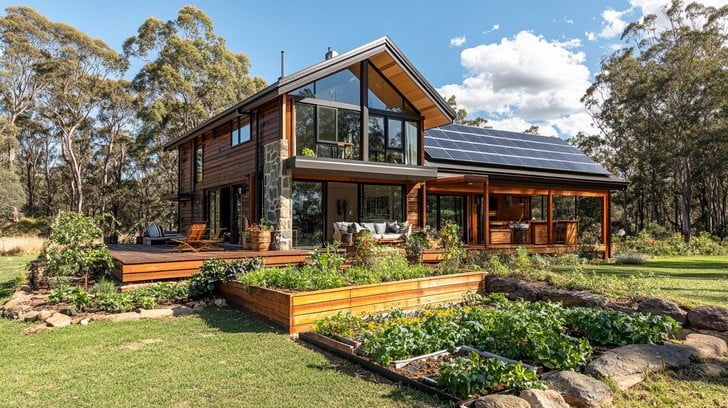
Lifestyle real estate refers to properties designed or chosen not only for their utility and asset value but for how they fit into a broader way of living. These are homes or investments where lifestyle factors location, amenities, wellness design, leisure access, community matter as much as square footage and market comps. For example, a rural acreage ideal for horses, a waterfront cottage perfect for fishing, or a luxury condo in a wellness-focused community all qualify under this broader definition.
Such properties differ from typical homes in that purchasers often prioritise how they live (or want to live) rather than purely investment metrics. That can mean choosing a location for scenery, community, leisure facilities or health amenities—factors that traditional real estate analyses sometimes overlook.
Why lifestyle real estate is increasingly relevant
In recent years, the shift away from commuting-based urban living, the rise of remote work, and a stronger emphasis on wellness and experience have made lifestyle properties more attractive. Many people are rethinking the role of their homes: they want places that support a healthier, richer life and also contribute to their financial strength.
Lifestyle real estate also has an investment dimension: properties that deliver both strong living benefits and market appreciation often command a premium and can offer greater stability. For instance, homes designed for wellness or with resort-style amenities can fetch 10 25% higher prices than comparable standard homes.
In short, lifestyle real estate is more than just a place to live it’s a platform for living well and building wealth.
The benefits of investing in lifestyle real estate
Enhanced quality of life
When you opt for a lifestyle real estate property, you’re choosing more than walls and a roof. You’re investing in how you live day-to-day: access to leisure, nature, community, wellness, security and more. This can translate into less stress, more satisfaction, and a stronger sense of home. For example, properties in lifestyle estates often include amenities such as walking trails, nature access, and community events.
Strong investment returns
Because lifestyle real estate integrates premium living features, it often achieves higher demand and faster appreciation compared to standard residential homes. Research shows that wellness-oriented lifestyle properties deliver significant premiums—developers price them higher and buyers are willing to pay more. Additionally, a well-chosen lifestyle property in a desirable community may offer stable rental demand (for example, short-term stays or rentals in resort-style estates), adding to its investment appeal.
Diversified usage and flexibility
Lifestyle real estate allows for multiple use cases: you might live there yourself, rent it out for part of the year, use it as a retreat, or hold it purely for investment. This flexibility means you can adapt within shifting market or personal conditions. For example, owning a property near nature gives you both quality personal use and potential rental income during high-demand periods.
Tax and asset-protection advantages
While exact benefits vary by region, investment real estate often qualifies for tax-deductible expenses, depreciation advantages, and asset diversification benefits. When the property also serves as a lifestyle asset (rather than purely speculative), you gain both personal value and financial hedging.
Legacy and generational wealth
Lifestyle real estate can be handed down, providing not just a home but also a legacy asset. A property with strong lifestyle features remains attractive for future generations ensuring that your investment doesn’t just serve you, but also your family.
Real-world tools and platforms for lifestyle real estate
1. BiggerPockets Real Estate Community

BiggerPockets is a comprehensive platform where aspiring and seasoned real estate investors gather to learn, share deals, and access tools. While not limited solely to lifestyle properties, it’s invaluable for anyone exploring lifestyle real estate because it provides forums, case studies, calculators, and networking focused on both investment and living aspects.
2. Fundrise Real Estate Investment Platform
Fundrise offers access to real estate investments with lower capital not direct property ownership necessarily, but investment trusts that own curated properties. For those who want exposure to lifestyle real estate without managing a property themselves, platforms like Fundrise allow you to invest in portfolios that include lifestyle-oriented developments or properties with quality-of-life focus.
3. Airbnb Hosting Tools

Short-term rental platforms such as Airbnb enable lifestyle property owners to monetise their homes. If you own a property in a desirable lifestyle location beachside, mountain retreat, or wellness community you can rent it out when you’re not using it. This helps offset costs and turns a lifestyle home into a revenue-generating asset.
4. Real Estate Investor CRM Tools

For investors building a portfolio of lifestyle real estate, managing multiple properties, analysing markets and tracking performance becomes complex. Real-estate-investor CRMs and property-management platforms simplify this by aggregating data, automating tasks and providing analytics.
5. Zillow Property Search and Market Intelligence
Zillow is a widely-used platform for property search, valuations and insights. For lifestyle real estate, Zillow’s data helps identify properties that meet lifestyle criteria views, amenities, environment while also evaluating market trends, pricing history and investment potential.
Use-cases: how lifestyle real estate can solve specific problems
Problem: Lack of passive income and job dependency
Many people find that relying on employment income limits freedom or leaves them vulnerable to job loss. A lifestyle real estate investment changes this dynamic: by owning a property that generates rental income, you create a secondary income stream.
Problem: Quality of life vs investment trade-off
Often people face the dilemma: should I invest for returns, or buy a nicer home for living? Lifestyle real estate bridges the divide. You buy a property you love, in a location you want to live, and also one with strong investment fundamentals. The amenity value supports enjoyment, while the asset value supports long-term wealth.
Problem: Maintenance and management overwhelm
Owning properties with multiple purposes (living + rental) can mean complexity in management, utilisation, and upkeep. By using modern tools and choosing lifestyle properties in well-managed communities, you reduce the burden. Many lifestyle models include property-management packages, community governance and simplified rental frameworks.
Problem: Diversification and hedging
Traditional investments such as stocks or bonds sometimes feel detached from lifestyle goals. Real estate provides tangibility, and lifestyle real estate adds an experiential layer so you’re not just investing in financial returns, you’re investing in how you live.
Problem: Legacy and family wealth
If your goal includes passing value to future generations not just wealth accumulation but also a home and experience lifestyle real estate is ideal. It offers a property that can be inherited, enjoyed and leveraged for future growth.
How to buy and where to begin
Ready to act on lifestyle real estate? Follow this strategic roadmap:
-
Define your lifestyle criteria – Determine what lifestyle means for you: waterfront access, golf amenities, wellness community, rural retreat, or urban convenience.
-
Research market fundamentals – Even though lifestyle features matter, investment fundamentals still count: supply-demand, price trends, rental demand, and local economy.
-
Use the right tools – Leverage property platforms and CRMs to analyse deals, manage properties and execute rentals.
-
Select the property – Choose listings that meet both lifestyle and investment criteria.
-
Arrange financing and management – Understand fees, rental regulations, access and property-management options.
-
Purchase the property – Work with a specialist agent familiar with lifestyle estates.
-
Utilise the property – Live part-time or rent it strategically to optimise occupancy.
-
Monitor and scale – Track income, appreciation, and costs, then reinvest to build a lifestyle portfolio.
Frequently Asked Questions (FAQ)
1. What is the difference between a lifestyle property and a standard residential property?
A lifestyle property is chosen for more than location and fundamentals it’s selected because it aligns with how you want to live (amenities, nature, community, wellness) while still functioning as an investment. Standard residential properties focus more on basic utility and less on lifestyle-driven features.
2. Do I need to live in a lifestyle real estate property to benefit?
No. You can purchase it purely as an investment, rent it out for income or use it part-time. The dual nature of lifestyle and investment means you gain both personal and financial benefits.
3. Are lifestyle real estate investments riskier than typical homes?
Not inherently, but lifestyle features often command a premium. It’s essential to ensure strong fundamentals such as demand, location, and rental viability. When both lifestyle experience and investment metrics align, risk is minimised and long-term value is enhanced.