Best Modern Family Home Design Guide 2025 – Smart Solutions, Features & Top Product Recommendations
A modern family home is no longer just a living space; it is now a combination of comfort, efficiency, and technology built to support growing families. As lifestyles evolve, homeowners are increasingly seeking homes that can adapt to various needs, such as remote work, children’s activities, smart living, safety, and energy efficiency.
Whether you plan to build, renovate, or upgrade your modern family home, this comprehensive guide will help you understand the most important elements, technologies, and recommended products that enhance functionality and value.
What Defines a Modern Family Home in 2025?
Modern family homes prioritize functionality, efficiency, comfort, and adaptability. Architectural design focuses on open spaces, flexible rooms, eco-friendly materials, and integrated smart technologies.
These homes are perfect for families who want seamless living where layout, convenience, and technology blend into a practical and stylish environment.
Key Features of a High-Quality Modern Family Home
Open and Flexible Layouts
Open layouts encourage better flow between the kitchen, living room, and dining area, allowing families to interact more freely. Flexible rooms can transform from offices to playrooms to guest rooms as the family evolves.
Smart Home Integration
Modern homes rely heavily on integrated smart systems for lighting, temperature control, security, and entertainment. These systems simplify daily routines and improve quality of life.
Energy Efficiency
Energy efficiency is another core component, including solar energy, insulated walls, low-E windows, and smart thermostats.
Family-Friendly Safety
Built-in smart locks, cameras, and motion sensors offer parents peace of mind.
Top Smart Product Recommendations for Modern Family Homes (2025)
Below are 5 highly relevant real-world products that enhance any modern family home, complete with images, details, benefits, use cases, and buying links.
1. Smart Thermostat: Google Nest Learning Thermostat

The Google Nest Learning Thermostat is one of the most essential smart technologies for any modern family home. It automatically adjusts temperature based on patterns, saving energy without compromising comfort.
Information About the Product
The Nest Learning Thermostat studies your heating and cooling preferences over time. After learning your schedule, it adjusts temperatures automatically. It also connects to your smartphone, allowing remote control and real-time energy reports.
This thermostat supports most HVAC systems and integrates smoothly with Google Home, Alexa, and other smart devices. Installation is simple, making it ideal for modern families that value efficiency and convenience.
Benefits
The main advantage is significant energy savings. The thermostat can reduce energy costs by understanding family routines. It also enhances comfort, ensuring every space feels right at the right time.
Another major benefit is real-time alerts, such as warnings when temperatures fluctuate, helping families maintain safe conditions for children and pets.
Use Case and Problem Solving
Families often struggle with inconsistent indoor temperatures or high energy bills. This product solves both by making automated adjustments while keeping the home comfortable throughout the day.
2. Smart Doorbell Camera: Ring Video Doorbell Pro 2
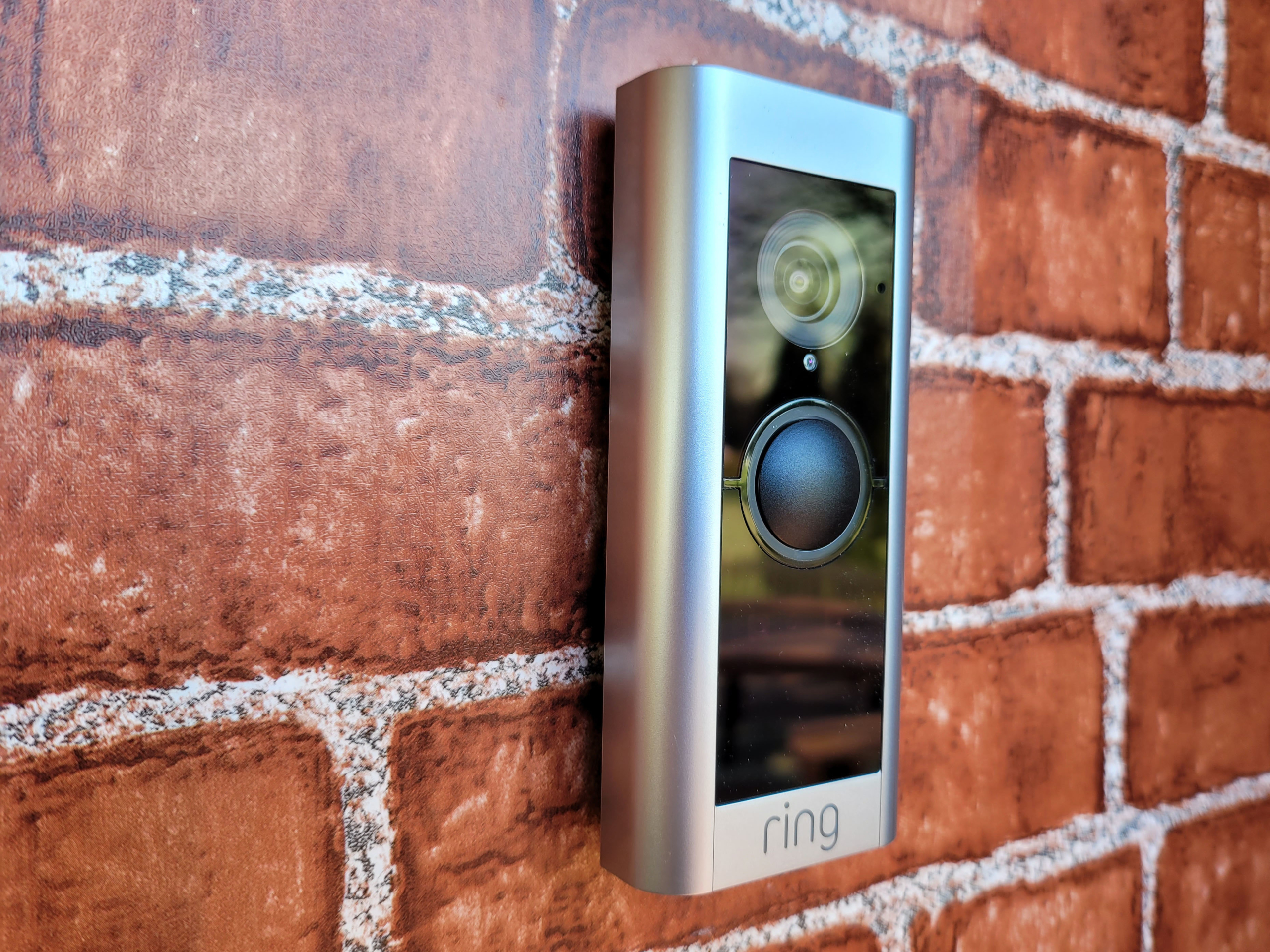
Security is a top priority for families, and the Ring Video Doorbell Pro 2 is a leading choice thanks to its advanced imaging, motion alerts, and mobile integration.
Information About the Product
The Ring Video Doorbell Pro 2 offers HD+ video quality, 3D motion detection, two-way audio, and customizable privacy zones. The camera captures detailed visuals day and night, making it easier to monitor front-door activity.
With Wi-Fi connectivity, it instantly sends alerts to smartphones, allowing families to respond to visitors or detect suspicious movement.
Benefits
This product enhances home security with real-time monitoring and video recording. Parents can see when children arrive home, track deliveries, and communicate with visitors without opening the door.
It also integrates with Alexa for hands-free monitoring.
Use Case and Problem Solving
Families often face concerns about package theft or unexpected visitors. The device records and notifies instantly, giving users greater control over home access.
3. Smart Lighting System: Philips Hue White & Color Ambiance
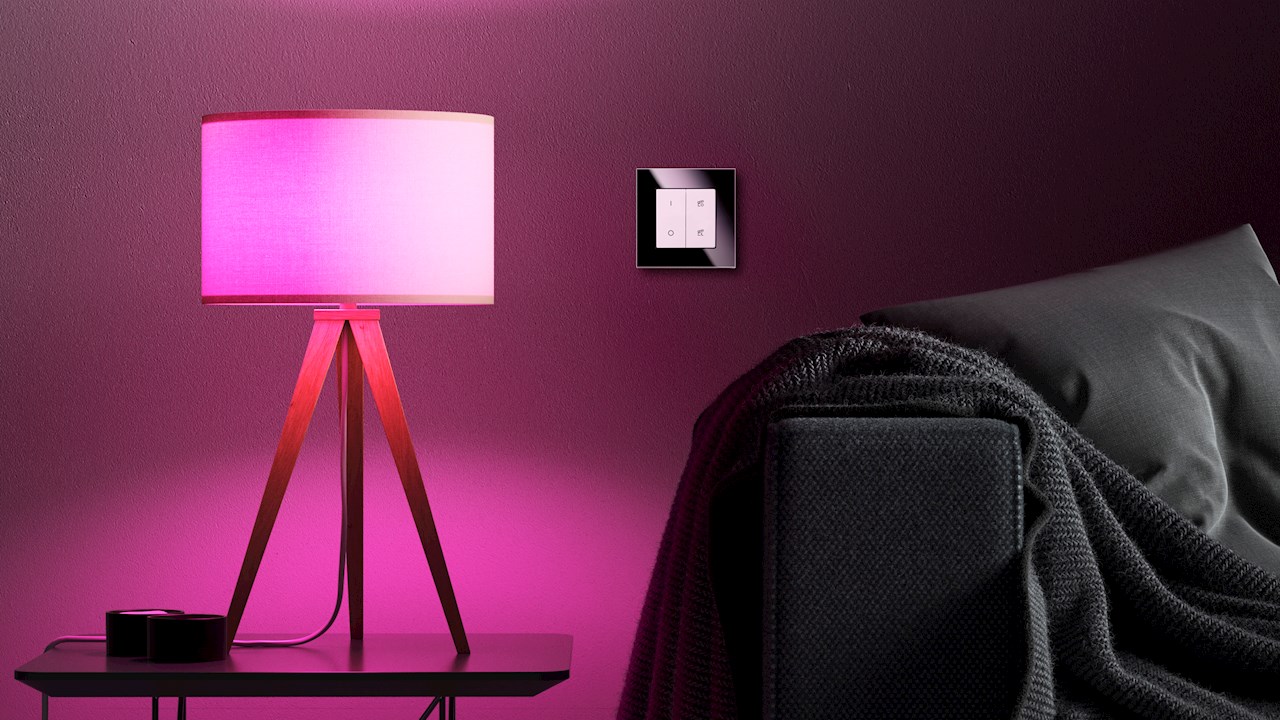
Lighting plays a major role in shaping the ambiance and functionality of a modern family home. Philips Hue is one of the most customizable and advanced smart lighting solutions available.
Information About the Product
Philips Hue offers a full spectrum of white and colored lights that can be programmed, automated, and controlled via mobile apps or voice commands. The system supports schedules, dimming, and mood presets.
Users can create zones for different rooms, enabling a personalized lighting ecosystem.
Benefits
Smart lighting increases energy efficiency and enhances daily routines. Families can set bedtime lighting for kids, brighter lights for homework, or warm tones for evening relaxation.
Hue also integrates with security systems by enabling away-mode lighting simulation to deter intruders.
Use Case and Problem Solving
The product solves issues of energy waste and inconsistent lighting moods throughout the day. It provides convenience and mood control at the touch of a button.
4. Smart Home Hub: Amazon Echo Show 15
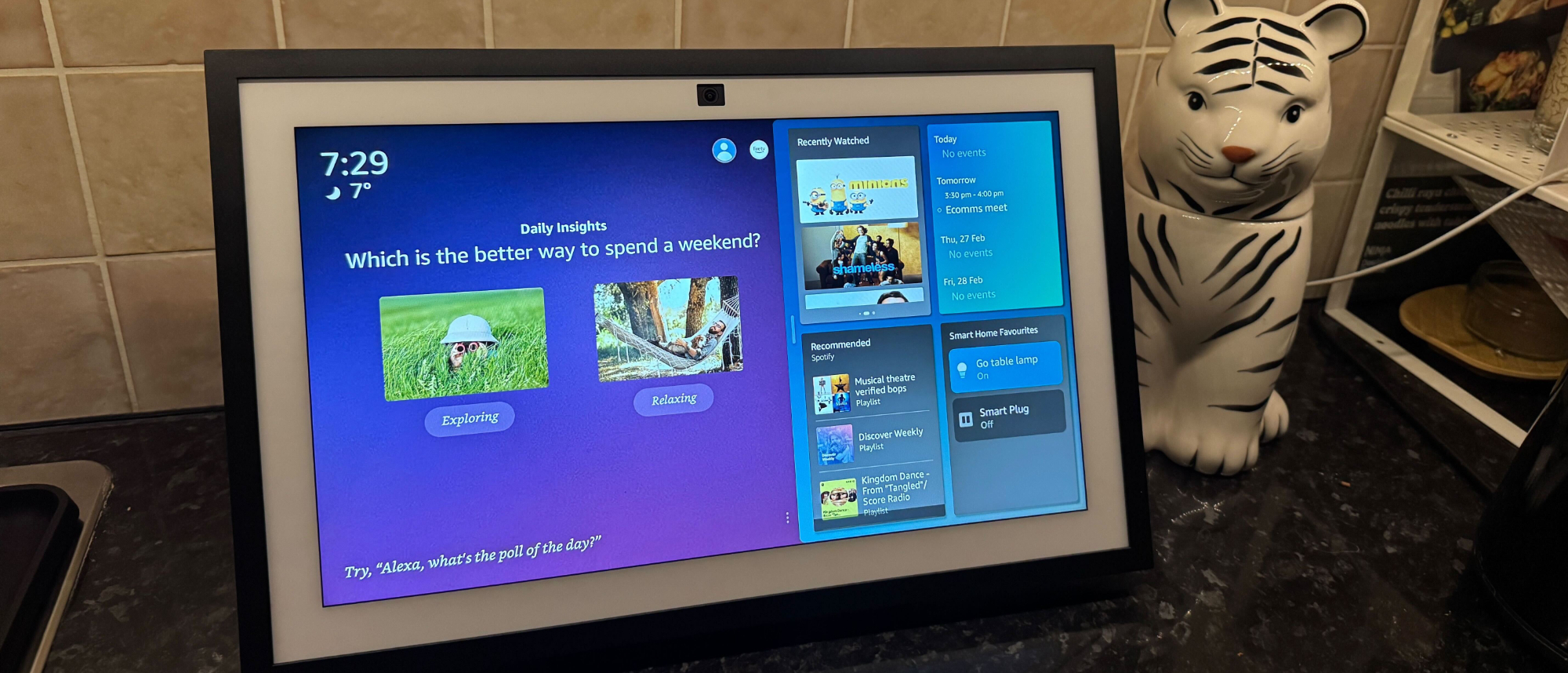
The Amazon Echo Show 15 is a central hub for managing all smart devices in a modern family home. Its large touchscreen and Alexa integration make it a powerful command center.
Information About the Product
The Echo Show 15 features a large display you can mount on a wall, perfect for kitchens, living rooms, or hallways. It syncs calendars, shopping lists, reminders, and household notes.
It also controls all smart home devices, including locks, lights, thermostats, and cameras.
Benefits
The biggest benefit is the organization it brings to family life. Everyone in the home can leave notes, set reminders, or check schedules at a glance.
It also supports video streaming, recipe guides, and intercom functions.
Use Case and Problem Solving
Families often need centralized communication, especially when managing busy schedules. This product keeps everyone on track and connected.
5. Smart Air Purifier: Dyson Purifier Cool Formaldehyde
Air quality plays a huge role in a family’s well-being, especially for children and those with allergies. The Dyson Purifier Cool Formaldehyde is a premium solution for modern homes.
Information About the Product
This device removes ultrafine particles, allergens, odors, and even formaldehyde—one of the most harmful indoor pollutants. It features an advanced HEPA filter, real-time air quality monitoring, and oscillating airflow.
The purifier also acts as a cooling fan, making it perfect for year-round use.
Benefits
Families benefit from cleaner, fresher air. Children with asthma or allergies experience fewer symptoms, and adults benefit from better sleep and increased comfort.
The real-time monitoring app allows owners to track air quality trends throughout the day.
Use Case and Problem Solving
Homes with pets, dust, or urban pollution need consistent air purification. This product solves these issues by filtering continuously and adjusting airflow automatically.
How to Build the Ideal Modern Family Home Design (2025)
Maximizing Space
Modern families need adaptable rooms that can grow with them over time. A playroom can become a study room; a guest room can double as a small office.
Incorporating Technology Wisely
Not all technologies are necessary; focus on devices that improve security, efficiency, and convenience. Start with thermostats, security cameras, and lighting.
Sustainable Living
Eco-friendly features such as solar panels, recycled materials, and smart energy management help reduce long-term utilities and environmental impact.
Frequently Asked Questions
1. What is the most important feature of a modern family home?
The most important feature is flexible space combined with smart home technology. These create a living environment that adapts to daily needs and lifestyle changes.
2. How much should I budget for modern home upgrades?
Budgets vary, but basic smart upgrades range from $500–$2,000. Full renovations can range from $10,000–$50,000 depending on materials a, nd equipment.
3. Do smart home devices increase property value?
Yes. Homes equipped with smart thermostats, security systems, and energy-efficient upgrades typically attract more buyers and command higher prices.